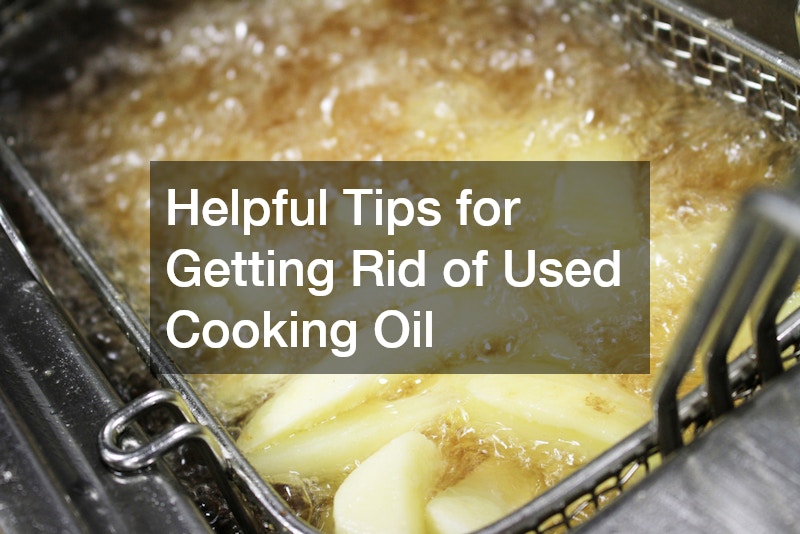
Disposing of used cooking oil can be quite a challenge for households and businesses alike. It is important to handle it properly to prevent environmental damage and plumbing issues. This article provides you with essential tips and answers some of the most frequently asked questions regarding the safe disposal and recycling of used cooking oil. Although it may seem easy to just pour the oil down the drain or toss it in the yard, such practices can have severe negative impacts. By following simple guidelines, you can contribute to a more sustainable environment and protect your home from potential damage.
What are the best practices for disposing of used cooking oil at home?
One of the most crucial best practices for disposing of used cooking oil at home is allowing the oil to cool. This simple step is not only a safety precaution to prevent burns but also facilitates easier transfer into storage containers. Once cooled, pour the oil into a sealable and preferably labeled container. Using a labeled container helps you keep track of what has been stored, especially if you intend to reuse or recycle it. This practice minimizes the risk of accidental spills, clutter, and makes it easier to carry the oil for proper disposal.
An alternative disposal method, if recycling is not an option, involves sealing the stored oil in a container to dispose of with your regular trash. While not the most environmentally friendly option, it prevents immediate issues like plumbing blockages. Always avoid pouring oil down the sink or toilet as this can clog your pipes and lead to expensive repair costs. Oil solidifies after cooling, which can form blockages in your plumbing system and contribute to larger issues downstream at water treatment facilities. This practice of avoiding the sink is one of the simplest yet most effective ways to prevent potential plumbing disasters.
How can used cooking oil be recycled?
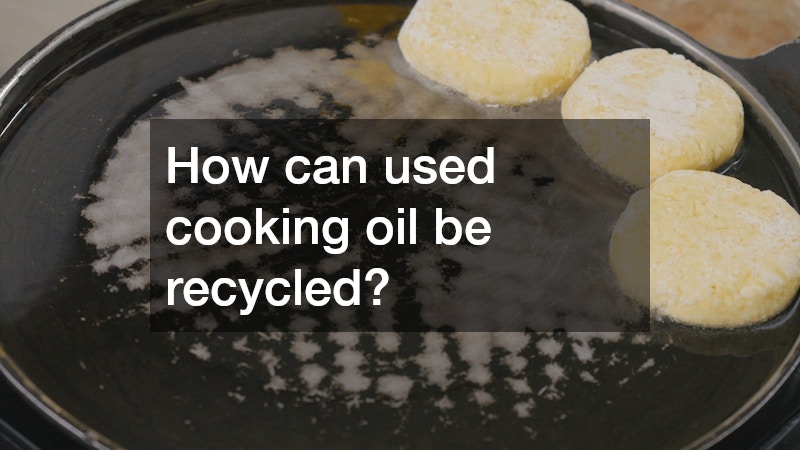
Recycling used cooking oil is not just an environmentally responsible act but also an opportunity for resource conversion. Firstly, finding local cooking oil disposal services can help prevent a lot of hassle in the long run. Many communities have established locations where you can drop off these oils for recycling purposes. They can then convert the used oil into biodiesel, which is a much cleaner and more sustainable alternative to fossil fuels. It’s important to note that recycling programs may have specific guidelines, including the type of oil accepted and how it should be prepared for drop-off.
Preparing the oil for recycling usually involves straining it to remove food particles and other impurities. This can be done using a fine-mesh strainer or a coffee filter. Once strained, the oil should be stored in a clean, sealable container before being taken to a recycling center. Clean stored oil ensures that the quality of the recycled product remains high and that unexpected contaminants do not enter the recycling system. A simple step of proper preparation can significantly enhance the efficiency and outcome of recycling programs.
What are the environmental impacts of improper disposal?
The improper disposal of used cooking oil can severely impact the environment, particularly through water pollution. When oil is improperly discarded into household drains, it can enter waterways and wreak havoc on marine life and ecosystems. Much like other pollutants, oil can form a film over the water’s surface, preventing oxygenation and thereby threatening aquatic life. Besides harming marine organisms, waterway contamination from oil contributes to broader environmental issues, like poor water quality affecting human communities relying on these bodies of water. This process exemplifies how individual household practices can aggregate to cause significant environmental change.
Moreover, used cooking oil contributes to sewer blockages that can escalate into larger municipal problems. Known as “fatbergs,” these blockages occur when oil solidifies in sewer systems, mixing with other non-biodegradable materials. Such formations create massive clogs, leading to sewer overflows and backflows into homes and onto streets. These issues not only present public health hazards but also demand resources and financial investments from local governments for repairs and maintenance. Therefore, avoiding improper disposal directly helps reduce the risk of fatbergs and associated municipal headaches.
Proper handling and disposal of used cooking oil are essential to prevent environmental harm and promote sustainable practices. By following the outlined tips and understanding the impact of oil disposal, you contribute to a healthier environment. Engage with local recycling initiatives and explore innovative uses of used oil, and do your part in fostering environmentally conscious behaviors. Remember, every small action matters, and your effort to properly dispose of cooking oil can significantly help mitigate ecological damage. Start implementing these strategies today for a greener tomorrow.