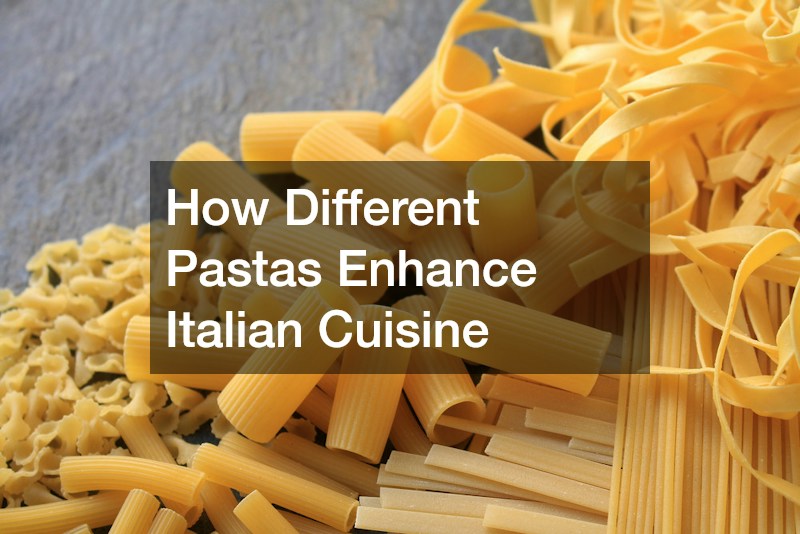
Pasta is far more than a simple culinary staple; it is the beating heart of traditional cooking across the peninsula. Every region boasts its own time-honored shapes, each thoughtfully crafted to capture specific sauces, textures, and flavor profiles. Understanding how these distinct shapes interact with ingredients transforms a simple meal into an extraordinary dining experience. By exploring the harmony between pasta geometry and sauce consistency, food lovers can truly appreciate how diverse noodle varieties elevate everyday cooking and celebrate the rich heritage of Italian cuisine.
Long Pastas and Smooth Sauces
Spaghetti and Emulsified Oil Bases
Long, slender strands of spaghetti provide the ideal surface area for light, olive oil-based dressings. Classic preparations like aglio e olio rely on emulsified cooking water and extra virgin olive oil to coat each strand evenly without weighing it down.
The slick exterior of the noodle allows the garlic-infused oil to cling delicate aromatic notes to every bite, creating a harmonious balance of simple, refined flavors.
Fettuccine and Creamy Emulsions
Flat, wider ribbons like fettuccine offer a sturdy canvas for rich, velvety coatings. The broader surface holds luscious dairy-based sauces, such as traditional Alfredo or gorgonzola creams, ensuring a balanced bite every time. Because the broad, flat sides absorb heavy sauces without breaking, the noodle acts as a carrier that balances the intense richness of melted butter, grated Parmigiano-Reggiano, and aged cheeses across the palate.
Bucatini and Savory Pork Reductions
Bucatini resembles thick spaghetti but features a hollow center running through its entire length. This unique structure allows savory tomato and cured pork sauces to fill the central tube while simultaneously clinging to the outer walls. As a result, classic dishes like amatriciana deliver a burst of rich guanciale juice and tangy tomato with every bite, maximizing the savory impact of the dish.
Tubular Shapes and Thick Ragùs
Penne Rigate and Chunky Vegetable Mixes
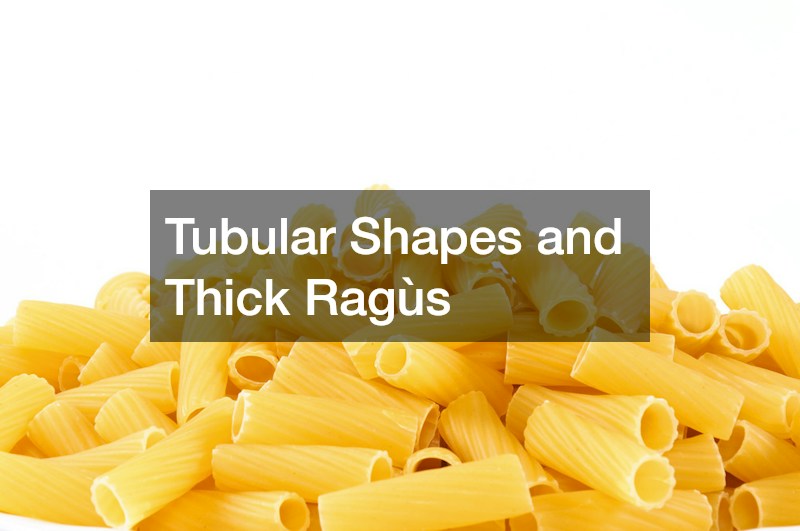
Tubular pasta with exterior ridges, known as penne rigate, excels at trapping hearty ingredients and chunky preparations. The angled diagonal cuts act as small scoops, holding diced garden vegetables, pine nuts, and coarse herbs within every individual piece. Meanwhile, the exterior ridged grooves capture finer sauce particles, ensuring that light vegetable purees or chunky marinara sauces remain bound to the pasta rather than pooling at the bottom of the bowl.
Rigatoni and Hearty Meat Sauces
Large, wide tubes with straight edges make rigatoni the quintessential pairing for slow-simmered meat sauces and thick, rustic ragùs. The substantial physical size and sturdy wall thickness accommodate thick pieces of minced beef, pork, or wild boar, bringing authentic depth to classic Italian cuisine. The wide cavity easily traps chunks of meat, allowing every spoonful to deliver a satisfying ratio of toothsome pasta to savory braised sauce.
Paccheri and Seafood Stews
Originating from the coastal region of Campania, paccheri are exceptionally large, smooth tubes that collapse slightly when cooked. They absorb rich seafood broths exceptionally well and pair naturally with octopus, calamari, or shellfish reductions. As the large tubes soften during tossing, they trap aromatic garlic, white wine, and sweet cherry tomato juices, creating a comforting texture that mimics the tender seafood itself.
Stuffed Shapes and Delicate Broths
Tortellini and Rich Meat Stocks
Small, ring-shaped tortellini traditionally feature a finely ground savory filling of prosciutto, mortadella, pork loin, and aged cheese. Floating in a crystal-clear capon or beef broth, these delicate pockets release their complex internal flavors with minimal heavy garnishes. The light liquid broth cleanses the palate between bites, highlighting the rich savory stuffing inside the tender folded pasta dough without overpowering its subtle nuances.
Ravioli and Compound Butter Coatings
Square pockets of dough sealed around ricotta, fresh spinach, or sweet roasted pumpkin require gentle, understated treatment. A simple bath of warm melted butter and fragrant sage leaves allows the delicate internal fillings to remain the undisputed highlight of the dish. The butter coats the exterior with a smooth sheen, enhancing the tender mouthfeel of the pasta dough while keeping the focus squarely on the seasoned interior.
Agnolotti and Pan Juices
Hailing from the northern Piedmont region, folded agnolotti are traditionally stuffed with roasted meats, cabbage, or rich braised veal. Local tradition dictates tossing them simply in reduced pan roasting juices or a whisper of butter to amplify their rich savory core. The small folded pocket holds a concentrated center of flavor, which bursts upon chewing and blends seamlessly with the shimmering glaze of pan droppings on the surface.
The art of matching pasta shapes with appropriate sauces is a fundamental principle that defines authentic home cooking. From slender strands bathed in delicate olive oils to robust tubes filled with slow-cooked meats, every pairing serves a deliberate purpose in balancing flavor, weight, and physical texture. By mastering these classic combinations, home cooks can honor traditional techniques and discover new dimensions within Italian cuisine.