
Eating well should never feel like a punishment or require giving up the rich, comforting foods you genuinely love. Whether you crave a wood-fired slice, fresh coastal fish, or a juicy, perfectly seared steak, prioritizing your physical well-being and enjoying incredible culinary experiences are fully compatible goals. The secret lies in taking a strategic, informed approach to ingredient quality, cooking methods, portion balance, and digestive support. Instead of viewing your favorite dishes as off-limits indulgences, you can learn to navigate menus with confidence, transform nutrient-dense whole foods into unforgettable meals, and protect your long-term health. This comprehensive guide outlines practical, actionable strategies designed to help seafood enthusiasts, pizza devotees, and meat lovers refine their dining habits, optimize their daily nutrition, and savor every single bite without a shred of guilt or digestive compromise.
Smart Nutrition Strategies for Pizza Enthusiasts
Elevate Crust and Topping Choices for Balanced Energy
Enjoying pizza without suffering from a mid-afternoon energy crash comes down to making deliberate choices about the foundation and toppings. Traditional refined white flour crusts digest rapidly, triggering sharp spikes in blood sugar followed by sluggishness. Opting for alternative bases like fermented sourdough, whole wheat, or cauliflower creates a more stable, sustained energy release due to complex carbohydrates and higher dietary fiber.
When it comes to toppings, shifting the ratio from heavy fats toward nutrient-dense vegetables dramatically boosts the overall vitamin and antioxidant profile of your meal:
- Load up on high-fiber vegetables such as bell peppers, red onions, dark leafy spinach, artichoke hearts, and sliced mushrooms to increase satiety and slow glucose absorption.
- Swap high-sodium, highly processed meats like pepperoni or sausage for grilled chicken breast, lean prosciutto, or anchovies for high-quality protein.
- Request light cheese or substitute part of the heavy mozzarella with high-flavor options like shaved parmesan, goat cheese, or fresh ricotta.
- Stick to lycopene-rich tomato or marinara sauces rather than heavy, calorie-dense cream or pesto bases.
By pairing a crust that supports steady metabolism with colorful, fiber-rich toppings, you can regularly enjoy authentic Italian food while keeping your nutritional intake aligned with your wellness goals.
Prioritize Kitchen Cleanliness and Sourcing Transparency

The health impact of dining out extends beyond the raw macronutrients listed on a menu; it is deeply tied to back-of-house kitchen maintenance and food safety practices. High-heat cooking, oil reuse, and equipment hygiene directly affect the quality of the food arriving at your table. Pizzerias that maintain strict sanitation standards protect their customers from oxidized fats and foodborne irritants that disrupt digestion.
To identify establishments that take culinary health and hygiene seriously, look for key indicators of quality and care:
- Choose spots that craft their dough fresh daily from minimal ingredients rather than relying on frozen, preservative-laden pre-made crusts.
- Seek out restaurants that utilize high-grade extra virgin olive oil rather than cheap, repeatedly reheated vegetable oil blends.
- Observe overall front-and-back house cleanliness, including clean dining spaces, well-maintained prep stations, and visible food safety ratings.
- Support local businesses that prioritize regular equipment maintenance, such as hiring a professional grease trap cleaning service to keep plumbing and kitchen exhaust systems free of hazardous buildup.
When you choose reputable local pizza restaurants, you ensure that your food is prepared in a safe, pristine environment using fresh ingredients that nourish your body rather than straining your digestive system.
Maximizing Health Benefits from the Sea
Master Fresh Sourcing and Seasonal Seafood Selection
Seafood is widely recognized as a nutritional powerhouse, delivering lean, complete protein alongside essential omega-3 fatty acids like EPA and DHA. However, the health benefits you derive from fish depend entirely on freshness, origin, and environmental exposure to toxins like mercury. Learning how to select pristine, sustainably sourced fish ensures maximum nutrient retention and superior flavor.
When purchasing fish for home cooking, keep these core evaluation criteria top of mind:
- Examine whole fish for bright, clear eyes, firm flesh that springs back when touched, and shiny, intact scales.
- Ensure the smell is reminiscent of clean ocean water or fresh sea air rather than an unpleasant, sharp fishy odor.
- Prioritize low-mercury, omega-3-rich species like salmon, mackerel, sardines, anchovies, and herring.
- Inquire about harvest dates, wild-caught versus farm-raised practices, and regional sustainability certifications.
Building a relationship with a trusted local seafood market allows you to ask detailed questions about catch origins and seasonal availability. Knowledgeable fishmongers can guide you toward peak season catches that offer higher micronutrient density, lower environmental contamination, and unmatched freshness for your family dinners.
Choose Raw and Steamed Preparations Over Heavy Frying
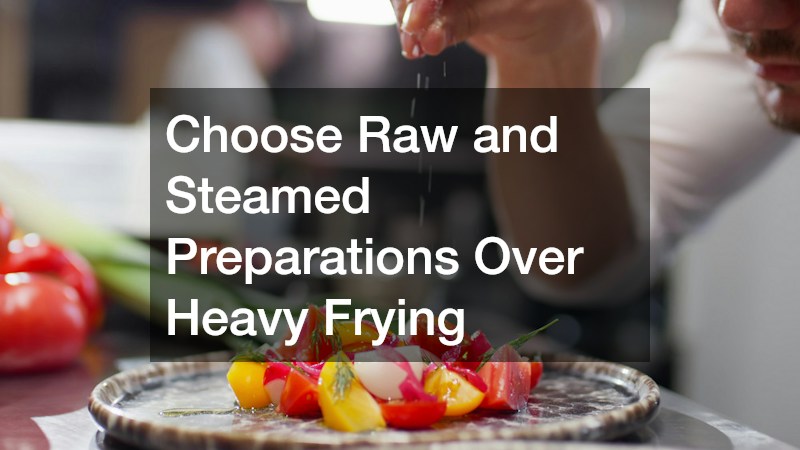
The method used to prepare seafood drastically alters its caloric density, fat quality, and digestive ease. While deep frying submerges delicate fish in high-heat oxidized oils and heavy batter, gentle techniques like steaming, poaching, searing, or serving fish raw preserve delicate heat-sensitive omega-3 fatty acids and natural micronutrients.
Incorporating minimally processed seafood preparations into your weekly routine provides key wellness advantages:
- Select sashimi or nigiri to enjoy unadulterated protein and healthy fats without added cooking oils or heavy coatings.
- Pair raw or seared fish with seaweed salad, pickled ginger, and cucumber to boost mineral intake and support healthy gut flora.
- Opt for steamed or broiled dishes flavored with fresh citrus, tamari, ginger, and garlic rather than rich, butter-heavy sauces.
- Limit tempura batters, sweet heavy glazes, and excessive sodium sauces that lead to fluid retention.
Dining at traditional japanese restaurants offers an easy way to experience lean, expertly prepared marine proteins that nourish your cardiovascular system while leaving you feeling light, energized, and completely satisfied.
A Health-Conscious Approach to Red Meat & Barbecue
Partner with Local Suppliers for Leaner, Nutrient-Rich Cuts
Red meat often receives mixed reviews in nutritional discussions, yet high-quality cuts offer exceptional levels of bioavailable iron, zinc, vitamin B12, and complete protein. The secret to incorporating meat into a healthy lifestyle is focusing on sourcing, pasture-raising practices, and choosing lean cuts that provide high nutrient density without excess saturated fat.
Working with knowledgeable purveyors helps you make informed choices tailored to your dietary goals:
- Choose grass-fed and grass-finished beef, which naturally contains higher levels of omega-3 fatty acids, conjugated linoleic acid (CLA), and antioxidant vitamins compared to grain-fed alternatives.
- Select naturally lean cuts such as sirloin tip, top round, flank steak, tenderloin, or bison.
- Request custom trimming to remove excess exterior fat before cooking at home.
- Avoid processed meats that contain artificial nitrates, chemical preservatives, or high levels of hidden sodium.
Visiting local meat butchers gives you direct access to expert advice regarding animal welfare, farm sourcing, and cooking techniques. These specialists can recommend underutilized, lean cuts of meat that fit your budget while elevating the overall nutritional profile of your home-cooked meals.
Balance High-Protein BBQ Meals with Fiber and Antioxidants

Barbecue is famous for rich, slow-cooked meats, smoky flavors, and hearty sides. While high-heat grilling and smoking produce delicious flavors, they can also generate chemical compounds like heterocyclic amines (HCAs) and polycyclic aromatic hydrocarbons (PAHs). You can easily balance these compounds by pairing grilled proteins with fiber-rich, antioxidant-dense vegetables that assist your body in natural detoxification.
To enjoy barbecue in a health-conscious manner, apply these practical dining strategies:
- Pair smoked or grilled meats with cruciferous side dishes like cabbage slaw, roasted broccoli, or grilled asparagus to support phase-II liver detoxification.
- Choose dry rubs made from garlic, paprika, rosemary, and black pepper, which contain protective antioxidants that help offset high-heat cooking byproducts.
- Request sauces on the side to avoid excess high-fructose corn syrup and hidden liquid calories.
- Balance heavy protein portions with abundant raw leafy greens and hydrating water intake throughout the meal.
When visiting a local bbq restaurant, focus on ordering smoked turkey, lean brisket, or pulled pork paired with vinegar-based slaws or grilled vegetables instead of deep-fried sides, ensuring a delicious and balanced meal.
Gut Health and Digestive Optimization for Dining Out
Consult Expert Advice to Prevent Post-Meal Bloating
Even nutrient-rich meals can cause discomfort if your digestive system lacks the enzymes or microbial balance needed to break down complex proteins, rich fats, or dairy. Chronic bloating, acid reflux, or sluggish digestion after eating are signs that your digestive system requires targeted support. Learning how to optimize stomach acid and gut motility allows you to enjoy diverse cuisines without discomfort.
Implementing evidence-based digestive practices helps streamline food breakdown and nutrient absorption:
- Consider broad-spectrum digestive enzymes containing lipase for fats, protease for heavy meats, and lactase for dairy products prior to rich meals.
- Chew food thoroughly—aiming for 20 to 30 chews per bite—to mechanically break down food and mix it with salivary digestive enzymes.
- Incorporate bitter greens like arugula or a dash of apple cider vinegar in water before dining to naturally stimulate stomach acid secretion.
- Avoid consuming large volumes of ice-cold fluids during meals, which can dilute natural digestive enzymes.
Working directly with a qualified gut health specialist can help you identify underlying food sensitivities, restore microbiome diversity, and create a personalized plan that keeps your digestion running smoothly no matter where you choose to dine.
Select Traditional Mediterranean Dishes Rich in Whole Foods
The Mediterranean pattern of eating is consistently celebrated as one of the healthiest lifestyle frameworks in the world. It naturally emphasizes heart-healthy fats, abundant plant fiber, lean proteins, and antioxidant-rich herbs. Incorporating these principles when dining out allows you to enjoy deeply comforting, flavorful food without feeling weighed down.
To build a Mediterranean-inspired meal, look for options that feature these wholesome components:
- Prioritize dishes cooked with polyphenol-rich extra virgin olive oil, fresh garlic, oregano, basil, and crushed tomatoes.
- Order pasta dishes cooked al dente, which lowers the glycemic index and promotes a more gradual release of glucose into the bloodstream.
- Incorporate fiber-rich legumes, capers, olives, and wild greens alongside your primary protein choice.
- Share rich pasta or risotto courses with dining companions to manage overall portion sizes while savoring authentic flavors.
Selecting rustic, traditional menu items at local italian restaurants allows you to experience wholesome, minimally processed ingredients that support heart health, nourish your microbiome, and provide lasting energy.
Mindful Dining Out Tactics and Long-Term Lifestyle Integration
Plan Ahead to Maintain Control Over Menu Options

Spontaneous dining often leads to impulsive ordering driven by intense hunger rather than long-term health intentions. Taking a few minutes to prepare before heading out for a meal enables you to align your choices with your wellness goals while still participating fully in social gatherings.
Incorporating simple pre-dining habits keeps you in complete control of your nutritional intake:
- Review online menus in advance to select protein-dense, vegetable-rich options before arriving hungry at the table.
- Eat a small, fiber-rich snack like a handful of almonds or raw vegetables an hour before dinner to curb ravenous cravings.
- Request simple modifications comfortably, such as asking for salad dressings on the side, substituting steamed greens for fries, or opting for grilled over fried options.
- Pace your dining by putting your fork down between bites and engaging actively in conversation to support parasympathetic digestion.
Making a local restaurant reservation in advance allows you to choose dining venues that offer healthy menu options, ensuring an unhurried, enjoyable, and mindful meal with friends and family. Booking your table early eliminates the stress of long wait times, giving you full control over your schedule and dining environment. It also provides the perfect opportunity to review the menu thoroughly, communicate special dietary preferences, and savor every bite in a relaxed, well-prepared atmosphere.
Achieving optimal health and vibrant energy never requires abandoning your passion for great food. By adopting smart nutrition strategies—such as choosing sourdough or high-fiber toppings for pizza, prioritizing low-mercury omega-3 seafood, selecting lean cuts of grass-fed meat, and supporting your digestive system with digestive-friendly habits—you can enjoy every meal to the fullest. True wellness is built on consistency, quality sourcing, and mindful choices rather than extreme restriction or guilt. When you approach dining with intention, respect for ingredient quality, and an understanding of your body’s unique digestive needs, rich culinary traditions become a sustainable, nourishing, and joyful part of your daily life. Focus on balance, savor the rich flavors of wholesome ingredients, and embrace a healthy lifestyle that celebrates exceptional food every single day.